
PoV
(or the Pow/Wow of Voting)

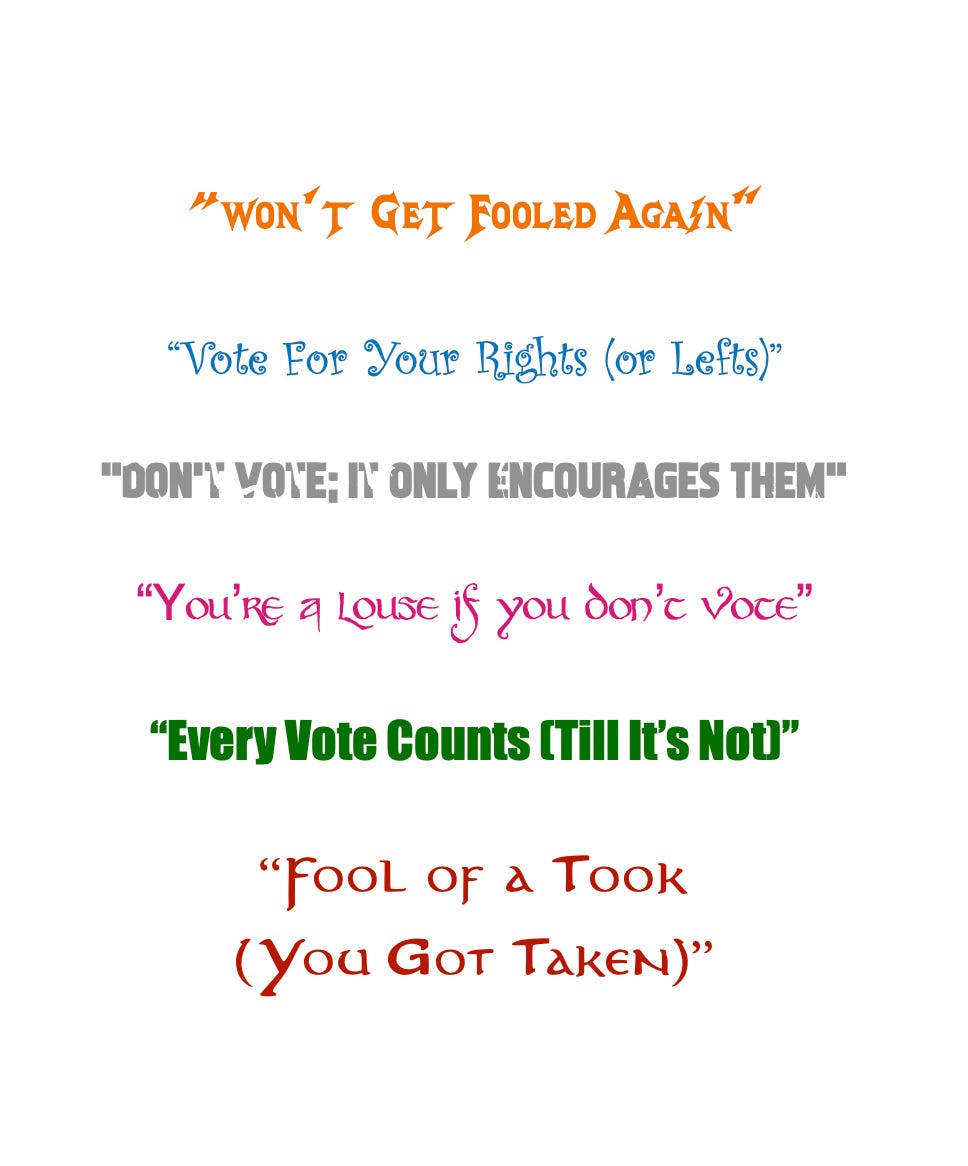
I think making voting in elections a moral issue is the wrong way of going about getting people to exercise that right. There are pragmatic reasons for voting; getting obnoxiously judgemental with sneering morality is plain silly, daft, and counterproductive.
As India starts its multi-stage national elections today April 19th, 2024, there are some things to ponder both for those who will vote and those who won’t. A vote is a signal of reasonable, perhaps even reluctant, acceptance of your electoral options, that you can live with what your candidate represents relative to the others. Even if you opt for NOTA (none of the above), you are sending out a signal that you can stand none of them (but the way it is, it’s a toothless option). Political parties read these things very carefully. Your elected representative has a finite budget and he/she will therefore likely allocate the significantly greater portion of resources to areas that show high voter interest because that’s the lot that will likely vote him/her back the next time if they believe reasonably good work has been done. A locality that polls 30% of its residents is going to be low priority to, say the neighbouring one, with a 62% turnout. That first locality is not really going to sway much, is it? There’s no point in whining about neglect when you aren’t particularly smart about this. But if it changes its apathy to higher activity in the next elections, then it gets attention. And this basic reasoning is applied by even the losing candidates to plan their strategies/activities/blahblah for the future.
This is, of course, at the very base level. It doesn’t really end with just voting. Most of the moral brigade goes back to the comfort of sofas and armchairs after the exhausting stridence of screaming judgement and triumphant display of a finger with the telltale indelible inkblot. Engaging with your representatives and elected bodies during the course of the intervening years to the next elections keeps them on their toes. Politicians know and bow to only one true religion - power. Showing that you’re keeping an eye on them and willing to keep the pressure up is a strong push, not just a signal.
I had been voting since I was 19 years old; I belonged to that first lot that voted right after the minimum voting age had been dropped from 21 to 18. Not just state and national elections; I’ve been part of the measly 20-25 percent that goes to the ballots even for the municipal corporations of the cities I’ve lived in. In the last many years, I’ve also engaged with ward officers, municipal corporation officials, MLAs, as have a bunch of people. It is often frustrating and always exhausting but it’s better to be frustrated but still have the satisfaction of helping get even just a few things done. Very early on I figured out that these basic things I have stated above are needed to get things done. Screaming morality does diddly squat.
I stopped voting last year. I no longer could continue with the idea of voting for people that I consider not worth it. That decision remains one for constant internal debate but I’ve stayed with it. What I’ve also stayed with is going out there, talking to representatives of elected bodies, nudging and occasionally pushing them. I think that that push is greater than the signal.
Voting is a right and a I think people are within their rights to not exercise it also. I do think though that if you aren’t actively giving your government officials and representatives a push, at least send them a clear signal.